Foundation Learning at Romilly
Learning through teaching, exploration and independence
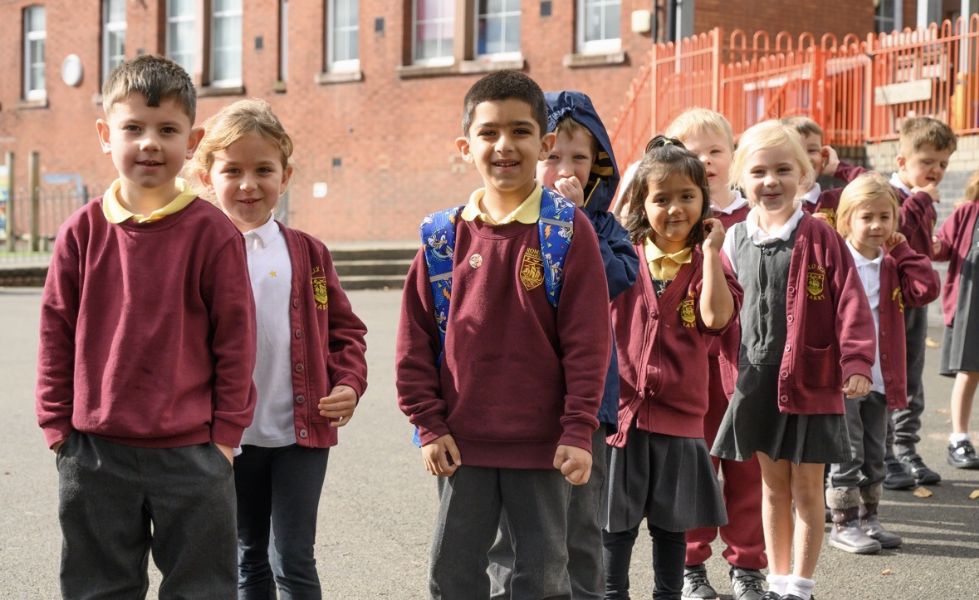
At Romilly Primary School, our Nursery, Reception, Year 1 and Year 2 children learn through the Foundation Learning approach, as part of the Curriculum for Wales.
Foundation Learning recognises that young children learn best when they are actively involved in their learning. Every day, children are taught new knowledge and skills by adults before having opportunities to practise, apply and develop these independently through carefully planned provision.
Our aim is to develop children who are confident, curious, resilient and increasingly independent learners.
What does a typical day look like?
Throughout each day, every child works with a teacher or learning support assistant in a small Focus Task.
These sessions are where new learning takes place. Adults explicitly teach new knowledge, skills and vocabulary, ask questions, model learning and provide feedback. Keeping the groups small means every child is well supported and challenged at the right level.
Typical group sizes are:
- Nursery: around 4 children
- Reception and Year 1: around 6–8 children
- Year 2: around 6-8 children
While adults are working with a Focus Task, the other children are engaged in carefully planned provision.
What is Provision?
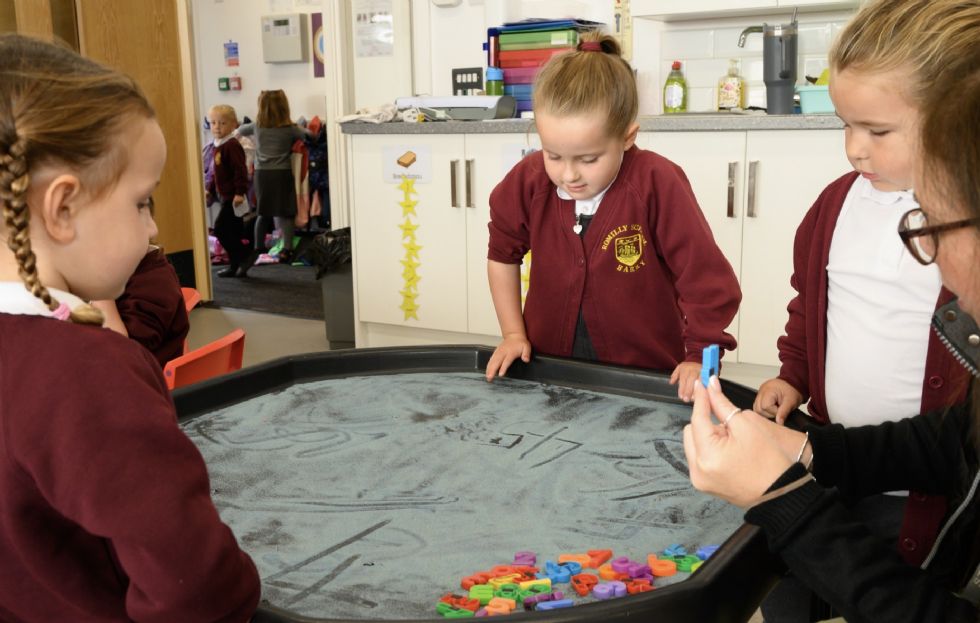
Provision is the carefully designed learning environment that children use to practise, revisit and deepen their learning independently.
It is much more than simply playing with toys. Every area has a clear learning purpose and is planned by teachers to reinforce skills that have already been taught.
For example, after learning how to write a letter during a Focus Task, children may choose to continue writing letters in the Writing Area during provision. Similarly, after learning about measuring, children might use measuring equipment in the Numeracy Area or investigate size and length through construction and creative activities.
Provision gives children regular opportunities to practise new skills until they become confident and independent.
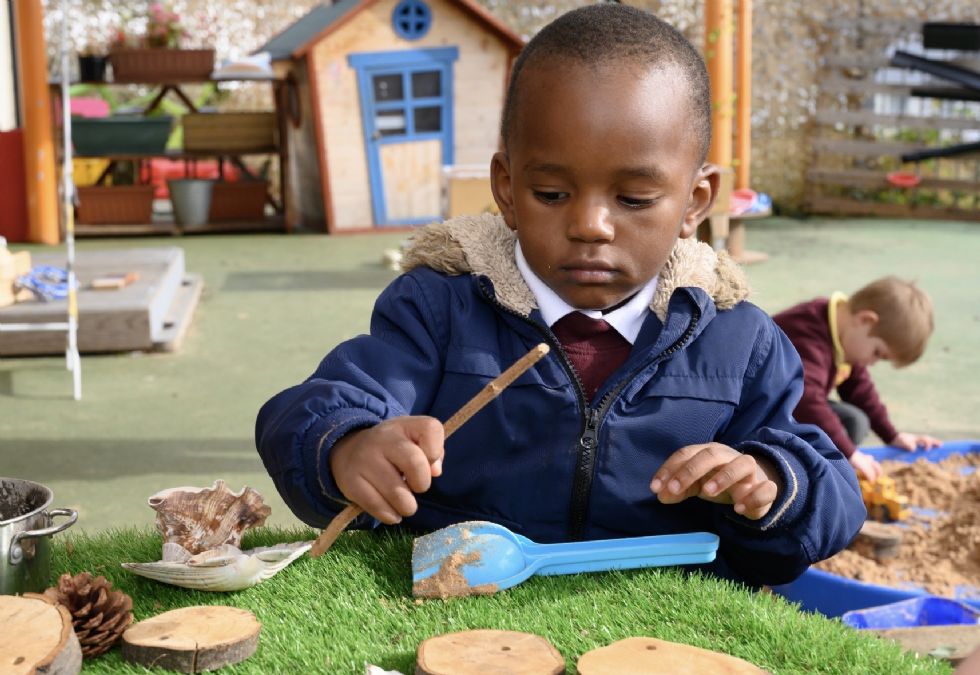
Indoor and Outdoor Provision
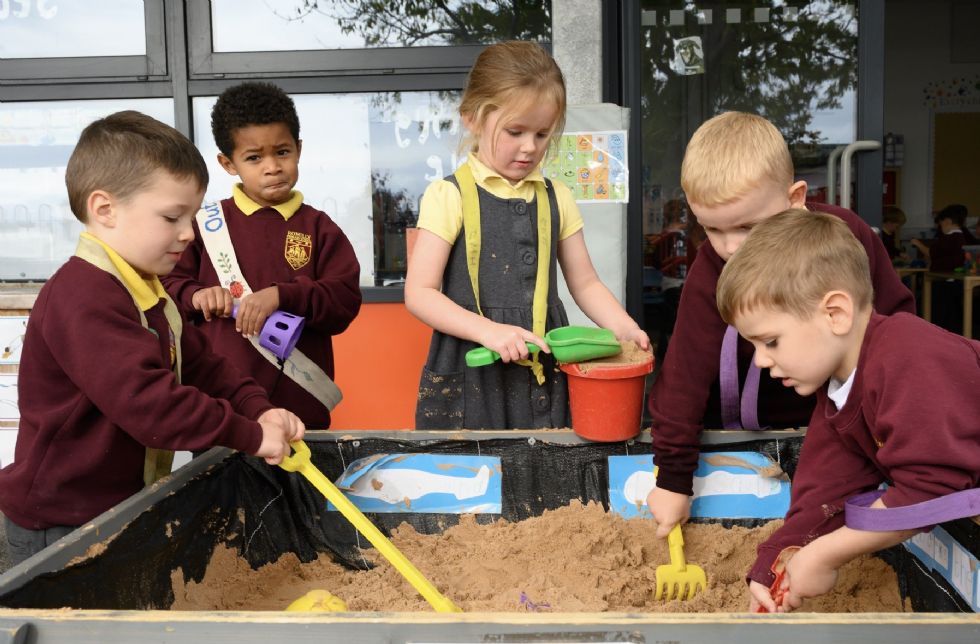
Learning takes place both inside and outside the classroom.
Our indoor and outdoor provision are equally important and provide children with a wide range of meaningful learning experiences.
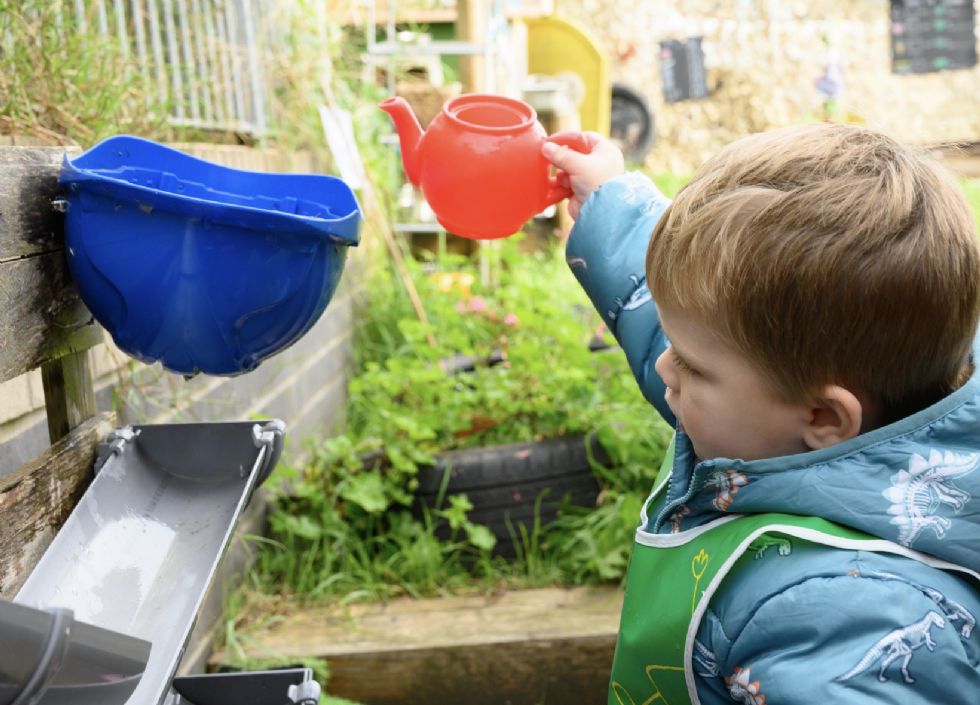
Depending on the age of the children and the class topic, provision may include:
- Writing
- Reading
- Role Play
- Creative Arts
- Construction
- Science and Investigation
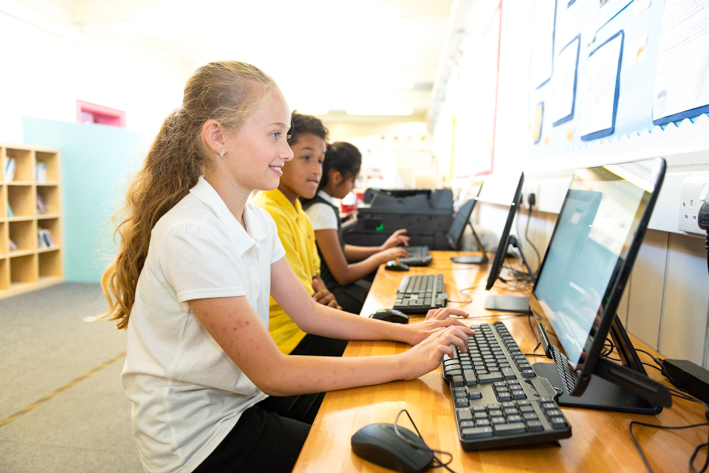
- Technology
- Numeracy
- Small World Play
- Physical Development
- Outdoor Learning
Each area is carefully planned and regularly updated by staff to reflect children's interests, the current topic and the skills being taught.
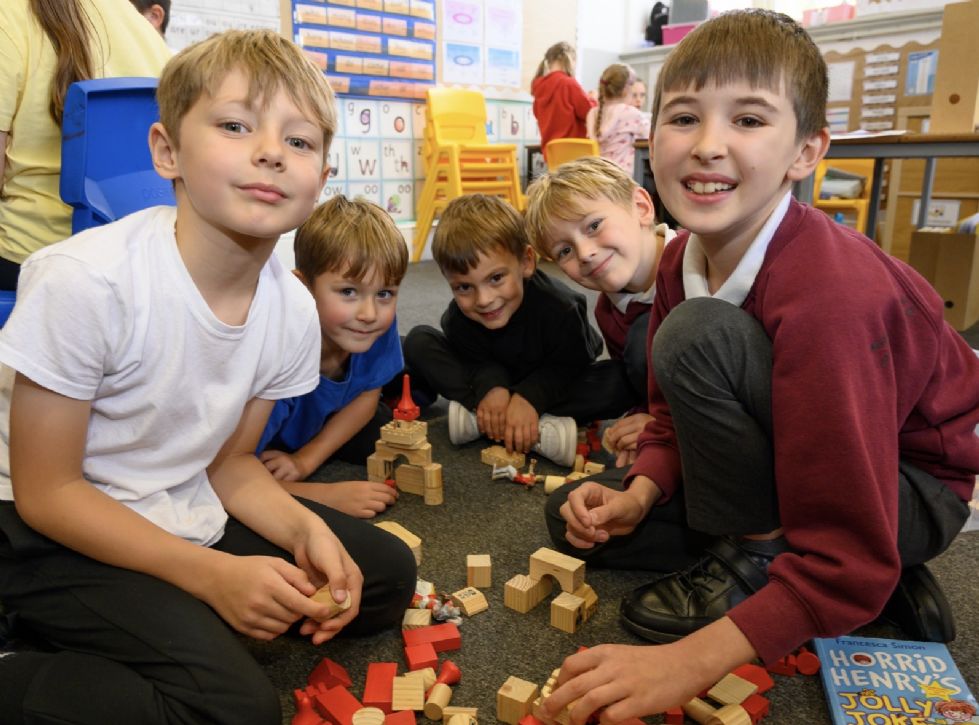
Learning Through Play
Play is an important part of Foundation Learning.
Children learn by exploring, investigating, creating, talking, solving problems and working together. Sometimes provision is carefully directed by adults with a clear learning intention, while at other times children have opportunities to make their own choices, follow their interests and become independent learners.
Learning through play develops creativity, confidence, communication, resilience and problem-solving skills, while allowing children to apply the knowledge they have been taught.
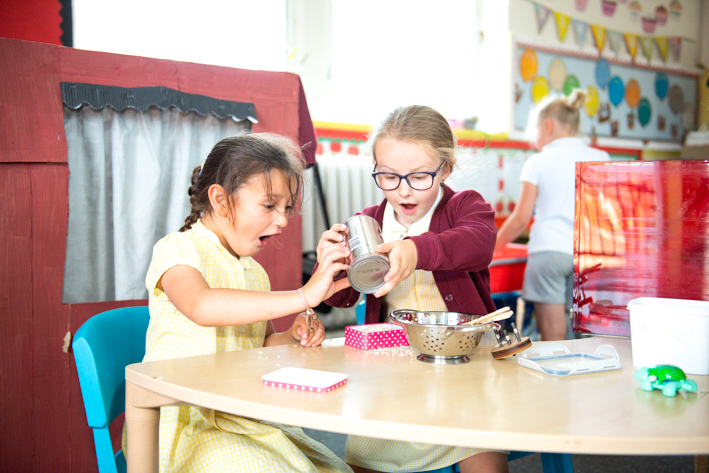
Building Independence
One of the most important aims of Foundation Learning is helping children become increasingly independent.
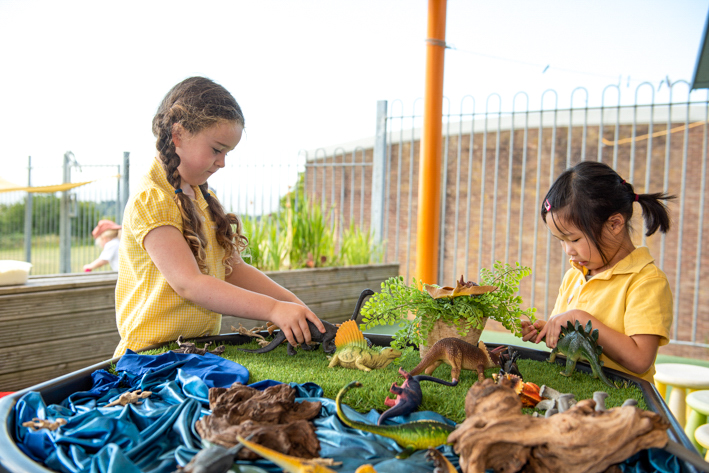
Children gradually learn to:
- make sensible choices about their learning
- organise the resources they need
- work both independently and with others
- persevere when learning is challenging
- take pride in their work
- reflect on what they have learned
These skills prepare children not only for Key Stage 2 but for lifelong learning.
Working Together
Every classroom from Nursery to Year 2 has its own unique provision, carefully planned by the teaching team.
Although each class follows a different topic throughout the year, the principles remain the same:
- High-quality teaching in small Focus Tasks.
- Carefully planned indoor and outdoor provision.
- Opportunities to revisit and apply learning.
- Learning through play and exploration.
- Developing confident, independent learners.
At Romilly, we believe children achieve their very best when they are actively engaged in learning, supported by skilled adults and given regular opportunities to practise, explore and become increasingly independent.
Literacy Development
At Romilly, we believe that strong literacy skills open the door to every area of learning. Our approach develops confident communicators, enthusiastic readers and capable writers through carefully planned teaching and purposeful opportunities to practise independently.
Communication and Language
Every child's literacy journey begins with speaking and listening.
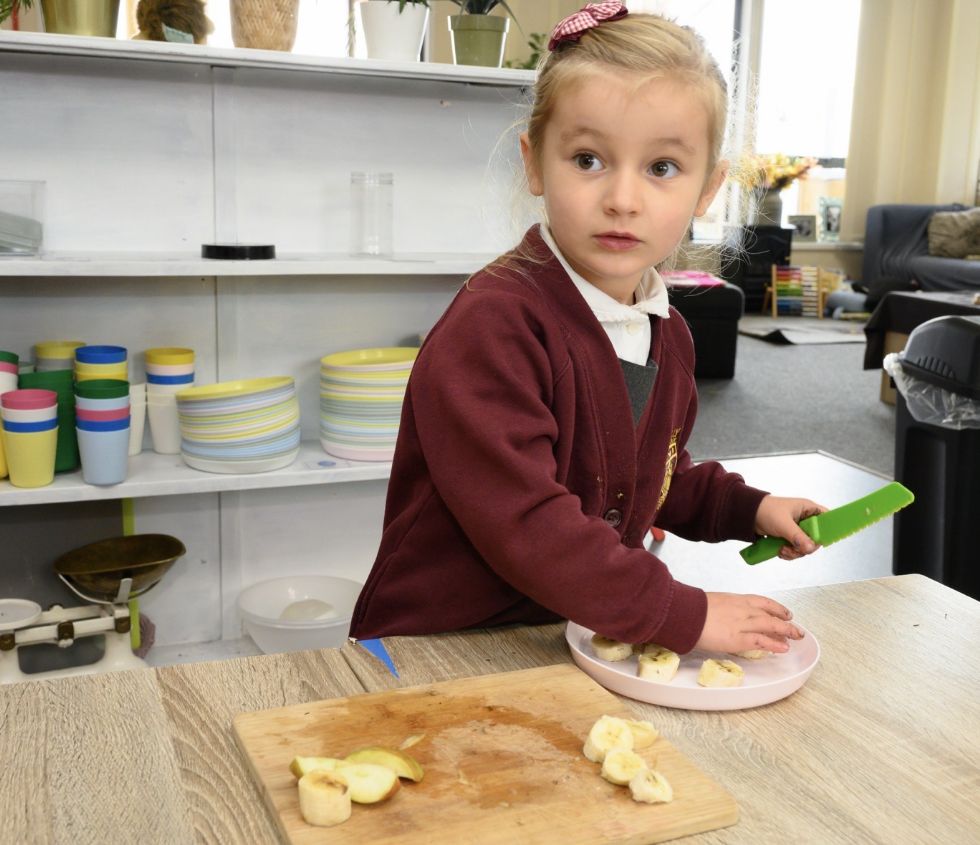
Children learn to communicate through rich conversations, storytelling, songs, rhymes, role play and high-quality interactions with adults and other children. Developing strong communication skills helps children build vocabulary, express their ideas and become confident learners.
Learning to Read and Write
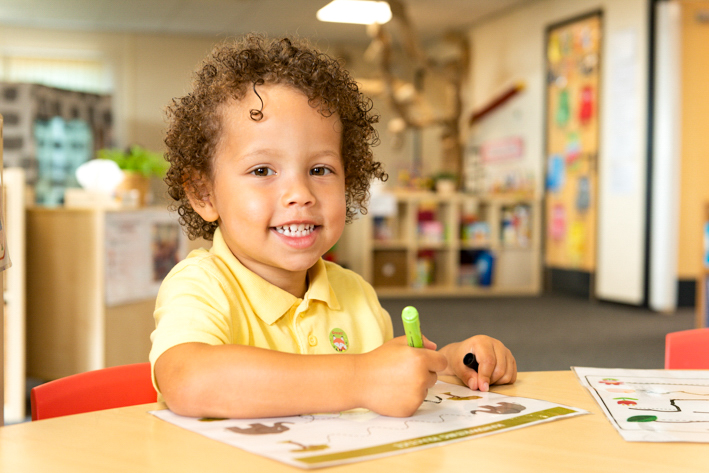
When children are developmentally ready, either during Nursery or at the beginning of Reception, they begin their phonics journey using Read Write Inc.
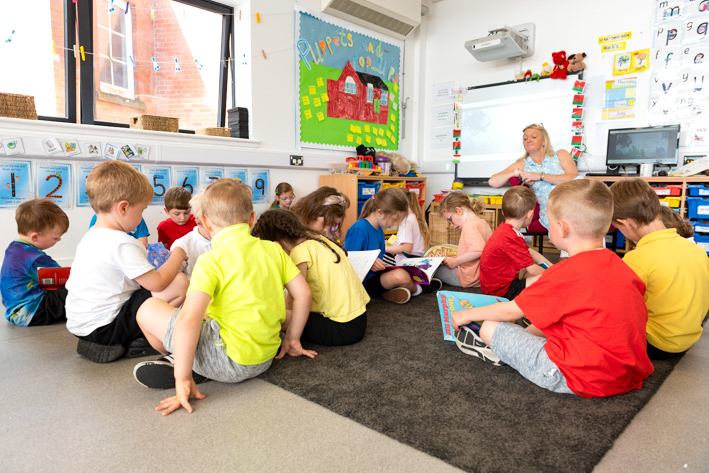
Read Write Inc. teaches children to:
- recognise and say sounds
- blend sounds to read words
- read with increasing fluency and confidence
- spell accurately
- develop the foundations for successful writing
Children work in small teaching groups so that learning is closely matched to their stage of development.
You can find out more about Read Write Inc. here:
As children become increasingly confident readers, they begin to explore high-quality books, develop comprehension skills and use their growing knowledge of language to become thoughtful, enthusiastic readers.
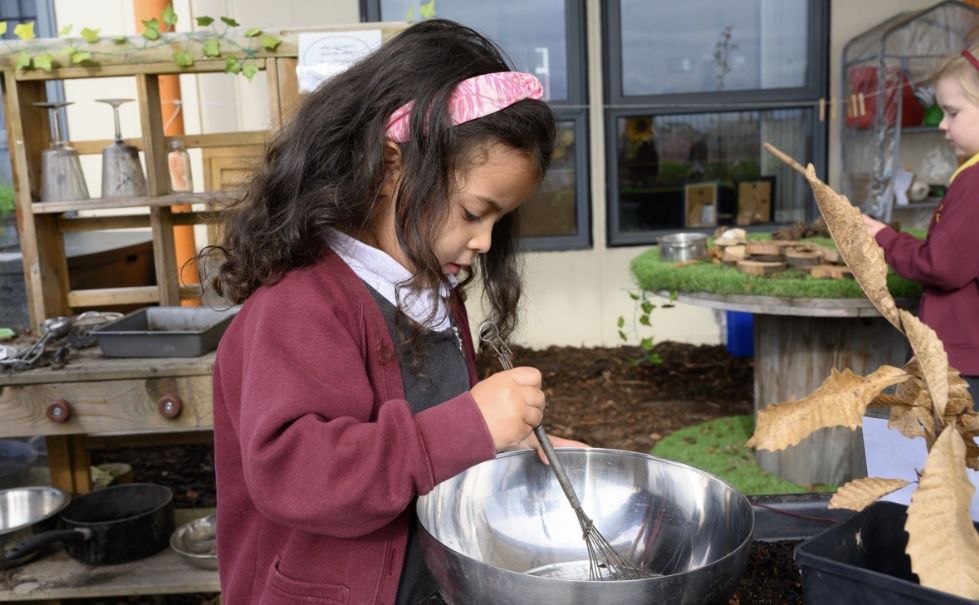
Becoming Confident Writers
Writing develops through meaningful experiences across the curriculum.
Alongside phonics, we use Talk for Writing to help children develop vocabulary, sentence structure, creativity and confidence before writing independently.
Children learn to:
- talk about ideas
- orally rehearse sentences
- explore model texts
- write for a range of real purposes
- edit and improve their own work
Throughout the day, children revisit these skills through carefully planned provision. For example, after learning how to write a letter during a Focus Task, children may choose to continue writing letters in the Writing Area, create shopping lists in the Role Play Area or label their models in the Construction Area. This allows children to apply their learning independently in meaningful contexts.
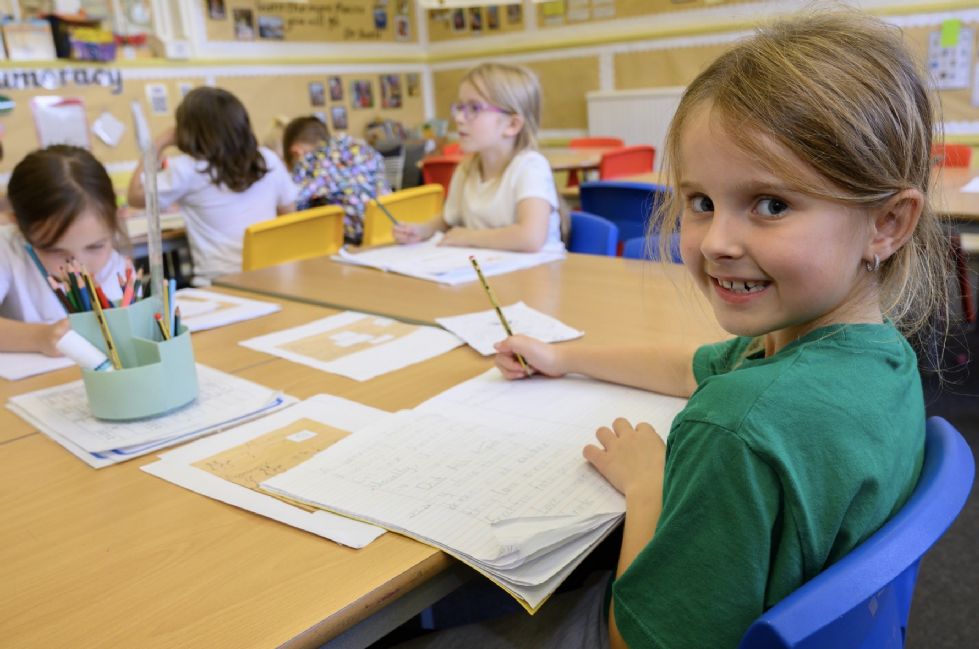
Mathematical Development
We believe children become successful mathematicians when they understand mathematics rather than simply remember it.
Mathematics is taught through a combination of high-quality direct teaching, practical experiences and carefully planned provision.
Children learn mathematical concepts through:
- exploration
- investigation
- discussion
- practical resources
- real-life problem solving
Adults explicitly teach new mathematical knowledge and strategies during Focus Tasks. Children then revisit and apply these skills independently through both indoor and outdoor provision.
For example, children may:
- measure and compare objects in the Investigation Area
- count and calculate in Role Play
- explore shape through construction
- develop pattern through creative activities
- solve mathematical problems outdoors
This approach helps children build deep understanding and confidence while developing fluency and reasoning skills.
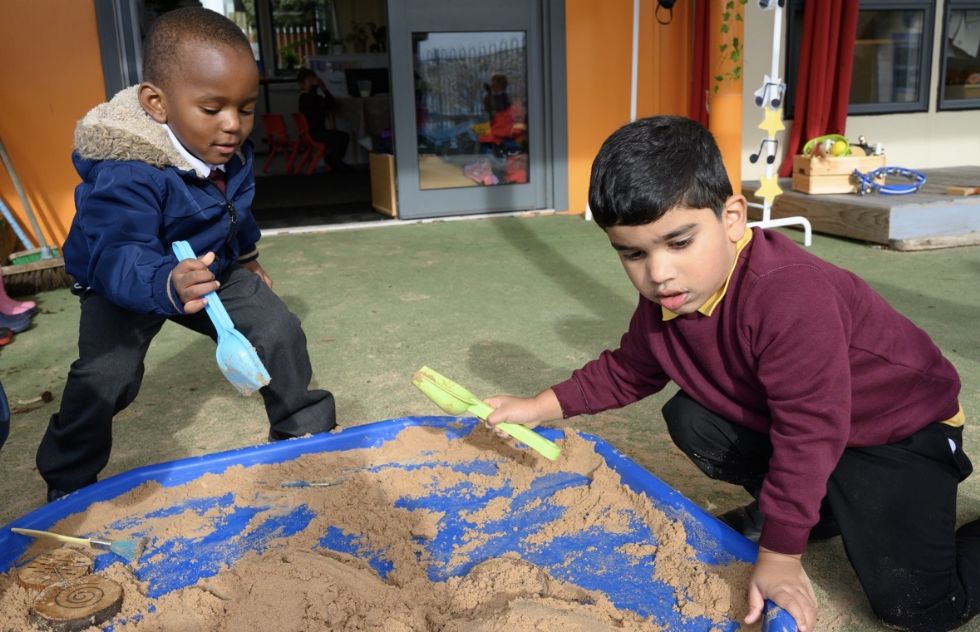
The Romilly Approach
At Romilly, we believe children learn best when they are actively engaged, curious and inspired.
Our Foundation Learning approach combines:
- high-quality direct teaching
- purposeful indoor and outdoor provision
- inquiry and exploration
- play-based learning
- experiential learning
- opportunities for independence
Alongside this, we have high expectations for every child. Learning through play does not mean lowering expectations. Instead, it provides children with meaningful opportunities to practise, apply and deepen the knowledge and skills they have been taught.
By combining engaging learning experiences with ambitious teaching, we develop children who are confident, independent learners and who achieve high standards across all areas of the curriculum.